
Set two tins of matcha side by side and the difference shows up before you whisk anything. One is nearly neon, the color of fresh-cut grass in strong sun. The other leans olive, sometimes dusty yellow, sometimes a little khaki. That gap tells you a lot about ceremonial versus culinary matcha, but it does not tell you everything. Color is a shortcut, not a verdict. What actually separates the two grades is how the leaves were grown and handled, and that shows up in the cup, in the whisk, and in the oven.
What the Grade Names Actually Mean
Matcha grades are not a regulated standard. Nobody certifies a tin as "ceremonial." The words are shorthand that producers and sellers use to signal leaf quality, harvest timing, and how much care went into processing. That means the labels are useful, but not guaranteed.
Ceremonial
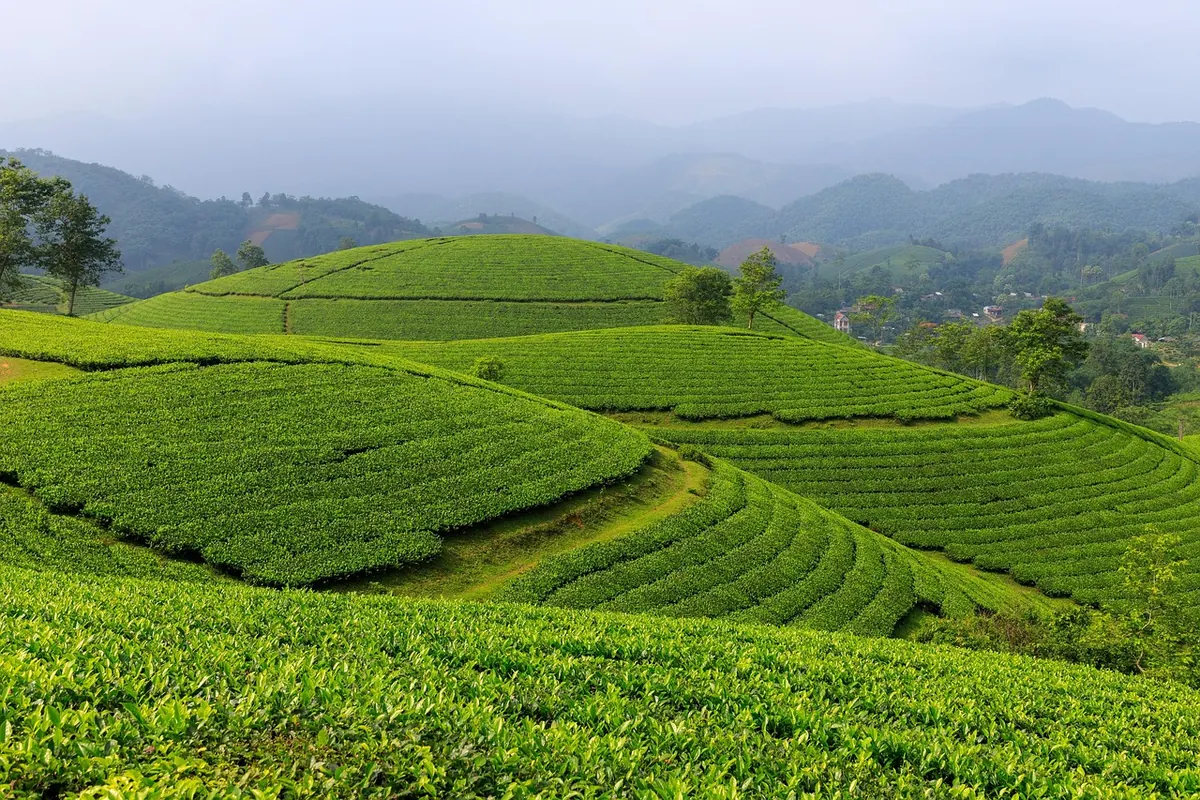
Usually first-harvest leaves, shaded for roughly three to four weeks before picking. Shading slows growth and pushes up chlorophyll and theanine, which is why the leaf turns deep green and the flavor turns sweet and savory rather than sharp. Stems and veins are removed, leaving only the soft leaf material, and the result is ground slowly between stones into an extremely fine powder. It is meant to be whisked with hot water and drunk on its own.
Culinary
Typically from later harvests, with less shading or none at all. Stems and veins often stay in, and the grinding is faster and less fussy. The powder is still matcha, but it is built to be mixed with milk, sugar, fruit, or batter rather than sipped plain. You will also see middle labels like "premium," "daily," or "barista" — genuinely useful words, but vague ones. When in doubt, look at the harvest date and origin on the tin rather than the adjective on the front.
Color: The First Clue
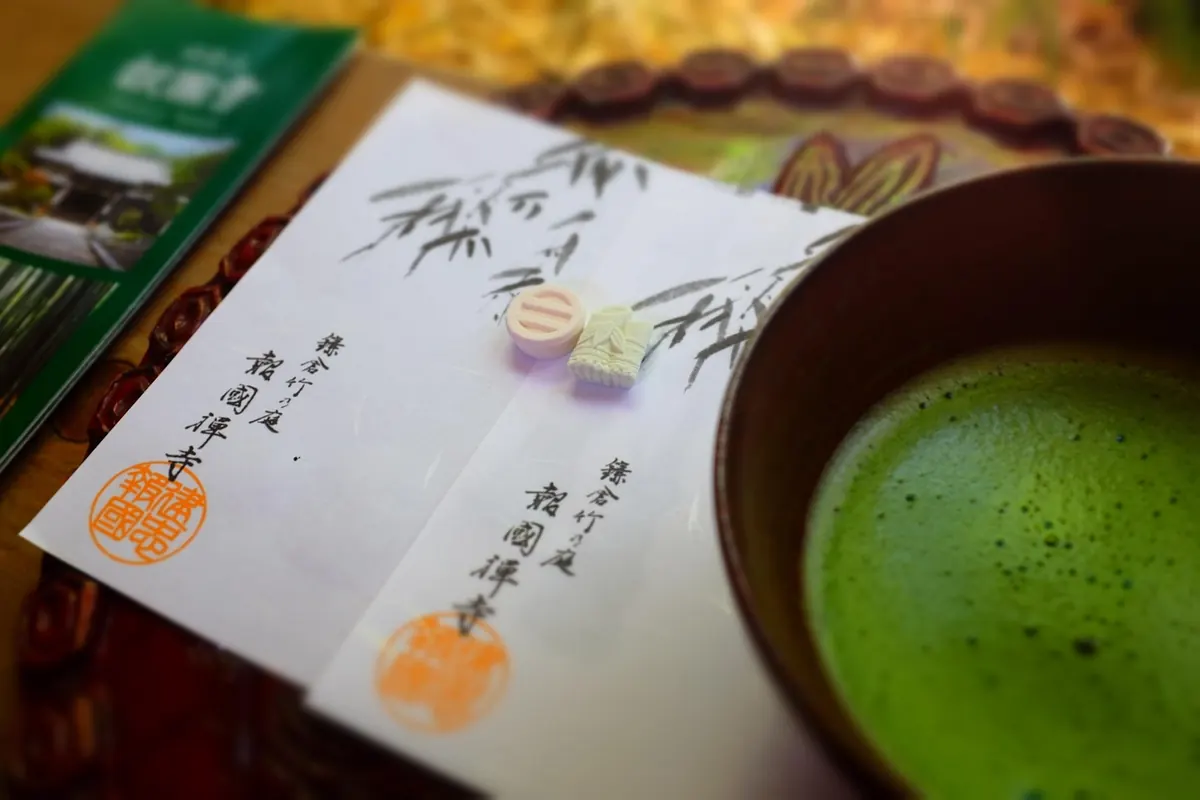
Good ceremonial matcha is vivid and saturated, a blue-leaning jade green that looks almost wet. Culinary matcha is duller, more yellow or olive, and occasionally a bit brown. That difference comes mostly from shading and leaf age, not from dye or trickery.
Two caveats worth remembering. First, matcha fades. Heat, light, and air slowly strip the color out of any powder, so a bright green tin with an old harvest date is still old matcha. Second, smell beats sight. Fresh matcha smells sweet, green, and faintly marine, like cut grass after rain. Stale matcha smells like hay, dry cardboard, or nothing at all. If you are standing in a shop and can only judge one thing, judge the aroma.
Texture and How It Behaves in Liquid
Both grades are fine powders, but ceremonial is usually finer and more uniform. That matters more than it sounds, because particle size decides whether you get a smooth bowl or a mouthful of clumps.
- Ceremonial: silky and light, floats on the surface briefly, and whisks into a stable foam with small, even bubbles.
- Culinary: slightly coarser and heavier, clumps more readily, and settles to the bottom of a glass within a minute or two.
A tip that solves most texture problems regardless of grade: sift the powder through a fine mesh strainer before it touches liquid. For drinks, whisk a small splash of water into the powder first to make a smooth paste, then add the rest. For smoothies and batters, blend the matcha with the liquid ingredients before adding anything thick.
The Taste Test: Bitterness, Sweetness, Umami
The fairest comparison is to treat both samples the same way. Sift about a gram of each into separate bowls, add roughly 60 to 70 milliliters of water at about 75 to 80°C — well below boiling — and whisk until foamy. Then taste them back to back.
- Bitterness: Culinary matcha turns bitter fast and the bitterness lingers at the back of the tongue. Ceremonial has bitterness too, but it arrives later and sits in balance with everything else.
- Sweetness and umami: Ceremonial carries a brothy, almost savory depth with a sweet finish. Culinary tastes flatter and more one-note.
- Body: Ceremonial feels rounder and creamier in the mouth. Culinary can feel thin and drying, with a chalky tail.
- Aftertaste: Ceremonial leaves a clean, faintly sweet echo. Culinary leaves an astringent, slightly papery one.
The reason is chemistry, not snobbery. Shading raises theanine and chlorophyll, which read as sweetness and savoriness. Sun exposure raises catechins, the compounds behind that grippy, drying astringency. Later harvests also mean older, tougher leaves, and tougher leaves taste harsher.
If your ceremonial matcha tastes aggressively bitter, check your water temperature and your dosage before you blame the tin. Boiling water can wreck a very good powder.
Where Each Grade Belongs in Drinks
Ceremonial matcha is for drinking, plain and simple. Use it for usucha, the thin, foamy tea you whisk with hot water, and for koicha, the thick, pasty preparation made with far more powder and less water. It also shines in iced matcha made with water alone, in sparkling matcha, and in lightly sweetened drinks where the tea is still the point.
Culinary matcha is the right call anywhere milk, sugar, or fruit will dominate. Lattes, smoothies, frappés, iced shakes, boba, and cocktail mixes all bury the delicate notes that make ceremonial worth the money. A culinary-grade powder with oat milk and a touch of honey tastes perfectly good — arguably better than wasting a prized tin on a drink you cannot taste it in.
Baking and Cooking: Heat Changes Everything
The oven is where the grade conversation gets practical. Heat browns matcha and dulls its color, and alkaline ingredients like baking soda push it toward a drab olive. That means even a beautiful ceremonial powder will not stay jewel-green in a cookie.
Two adjustments preserve color better in baked goods: use a little less baking soda, and lean on acidic ingredients such as buttermilk, yogurt, or a squeeze of lemon. Beyond that, choose by how much the matcha needs to speak.
- Use culinary for: cakes, cookies, brownies, pancakes, breads, and anything with chocolate, banana, or strong spice in the mix.
- Use ceremonial for: no-bake desserts where flavor survives intact — cheesecake, ice cream, panna cotta, whipped cream, frosting, and dusting on top.
Fat and salt both mute bitterness, which is why a culinary powder tastes far better in a white chocolate cookie than it does in a plain bowl of hot water.
How to Choose and Store Without Guessing
Buy the smallest tin that matches how fast you actually drink it. Matcha is perishable; an open tin loses its color and aroma over weeks and months, not years.
- Look for a harvest date, not just a best-by date. Matcha is at its best within a few months of grinding.
- Store it airtight, away from light and heat. Keep an unopened pouch in the fridge, but let it come to room temperature before opening so condensation does not get inside.
- Keep two tins if you bake and drink: one good one for whisking, one affordable one for batter. Label them so you do not reach for the wrong one at 7 a.m.
- Trust your tongue over the label. If a culinary-grade powder tastes clean and sweet in water, drink it and enjoy it.
One last note: matcha carries caffeine, and a strong bowl can hit harder than a cup of coffee. If you are pregnant, nursing, or managing a condition affected by caffeine, check with a healthcare professional about what fits your situation.
Grades are a starting point, not a rulebook. Learn what your own kitchen needs — a clean bowl of tea, a green smoothie, a birthday cake — and buy for that. The best matcha is the one you actually finish before it fades.
Photo: xiehanxin / Pixabay